Data Management Solutions: Top Trends & Solutions
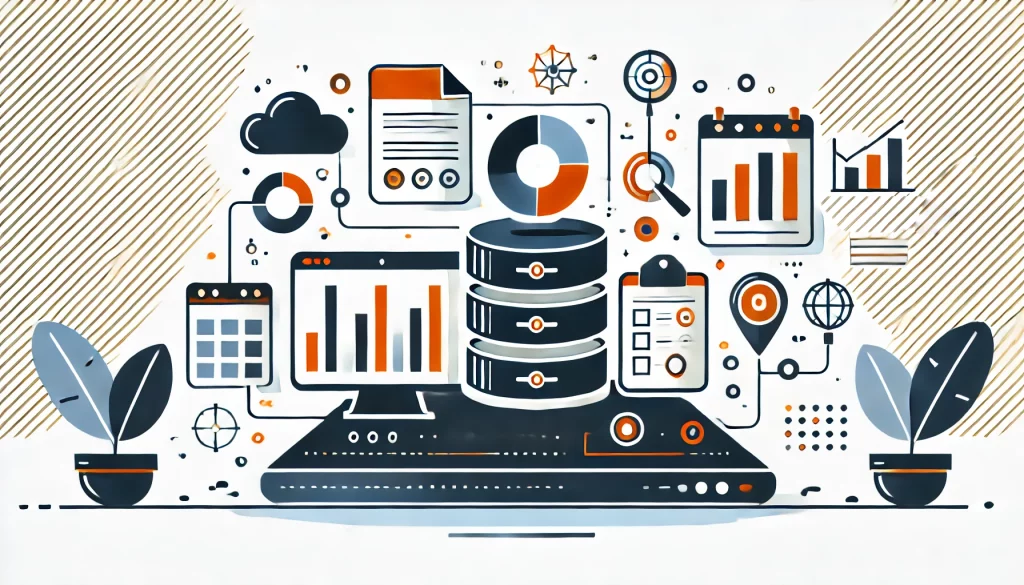
Data management solutions offer a complete approach to collecting, organizing, securing, and using a company’s data assets. These platforms break down silos, enhance data quality, and simplify access across departments.
By consolidating data from different systems into one platform, modern solutions empower teams to make decisions based on accurate insights. Many also incorporate artificial intelligence (AI) to tackle data volume, complexity, and security.
The Importance of Data Management
Today, data stands as a core business asset. When managed well, it helps companies improve marketing, lower operational costs, and boost revenue. However, disorganized or poor-quality data often becomes a liability.
Siloed and inconsistent data makes it hard to generate reliable insights. Additionally, bad data leads to poor decisions and misaligned strategies.
As data grows exponentially, businesses risk creating data swamps—large volumes of chaotic, hard-to-use datasets. These environments complicate security, increase storage costs, and weaken compliance postures.
Effective data management supports regulatory compliance with strict laws like GDPR. It ensures sensitive data remains protected while remaining usable.
Key Components of Data Management Solutions
Database Management Systems (DBMS)
Every data management solution starts with a database management system. A DBMS provides tools for creating, securing, updating, and retrieving information. It connects users and apps to the data layer underneath.
A robust DBMS enforces consistency and integrity. It includes:
- DBMS software that handles configuration and access
- Database engines that process queries and manage transactions
- Schemas that define how data is organized
Many DBMS tools include built-in features for performance tuning, change tracking, and auditing, making them more efficient and secure.
Example: A retail company deploys a DBMS to manage customers, product listings, and sales. This system ensures consistent data across its website, CRM, and warehouse management system.
Master Data Management (MDM)
MDM builds a consistent view of business-critical entities like customers or products. By consolidating duplicate entries across systems, it creates a single source of truth.
MDM frameworks enforce governance policies to maintain high-quality records. In environments with many platforms, MDM prevents mismatched values and sync errors.
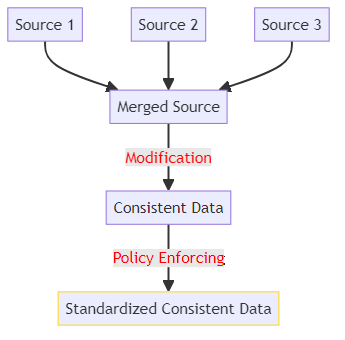
Example: A global manufacturer centralizes supplier data across ERP and procurement systems. This move streamlines vendor negotiations, reduces risk, and cuts redundancy.
Data Modeling
Data modeling maps how information flows through a system. These visual diagrams serve as blueprints for database structures and relationships.
Strong models help dev teams anticipate performance issues and design scalable systems. They also support compliance by clearly mapping how regulated data is stored and used.
Example: A hospital builds a data model for a new patient record system. The model shows how health history, test results, and billing data connect—supporting efficient development and HIPAA compliance.
Data Warehouses and Data Lakes
Data warehouses store structured information optimized for fast analytics. In contrast, data lakes hold raw or semi-structured data in its original format until needed.
Organizations often use both. Warehouses power dashboards and reports. Data lakes support big data analytics, machine learning, and complex modeling.
Example: A bank combines loan and credit card datasets into a central warehouse. Analysts use it to predict churn, cross-sell services, and spot fraud risks.
Product Information Management (PIM)
PIM solutions centralize product descriptions, specs, and marketing content. They ensure that sales channels—from websites to mobile apps—show consistent and up-to-date product details.
Marketers use PIMs to curate compelling product stories. IT teams rely on PIMs to synchronize content across e-commerce stacks and ERP platforms.
Example: A retailer uses a PIM to collect supplier data and launch seasonal collections across stores, mobile apps, and online catalogs in real time.
Choosing the Right Data Management Solution
Here are key evaluation criteria:
- Data cleansing: Look for tools that profile, clean, and validate records automatically.
- Integration: The platform should connect easily to modern APIs, legacy systems, and file-based inputs.
- Interface: Prioritize tools with intuitive dashboards for non-technical users.
- Scalability: Ensure the system handles growth and supports future projects like AI or IoT.
- Cost: Consider total ownership—including setup, licenses, support, and scaling fees.
Real Example Of Data Management Solution
Here’s a Python-based demonstration of Master Data Management using Pandas:
import pandas as pd

# Load sample CRM, ecommerce, and support datasets
df_crm = pd.DataFrame({...})
df_ecommerce = pd.DataFrame({...})
df_support = pd.DataFrame({...})

# Merge datasets into one view
merged_df = pd.merge(df_crm, df_ecommerce, on='customer_id', how='outer', suffixes=('_crm', '_ecom'))
merged_df = pd.merge(merged_df, df_support, on='customer_id', how='outer')

# Normalize and clean data
merged_df.fillna('N/A', inplace=True)
merged_df['email'] = merged_df['email_crm'].combine_first(merged_df['email_ecom']).combine_first(merged_df['email'])
merged_df.drop(columns=['email_crm', 'email_ecom'], inplace=True)
merged_df['email'] = merged_df['email'].str.lower()
merged_df = merged_df[merged_df['email'].str.contains('@')]
This approach consolidates scattered customer records and ensures email addresses meet policy rules—offering a simple but effective example of MDM in practice.
Conclusion
Organizations that want to get the most from their data must invest in solid data management solutions. These tools help ensure consistency, security, and accessibility while simplifying integration and compliance.
When implemented correctly, data management solutions become a growth engine—powering analytics, supporting better decisions, and driving digital innovation. Whether you need master data, clean records, or faster reporting, the right platform makes it all possible.